Understanding the Sierra Super Cruise System
Intro
The transportation landscape is shifting under our wheels. With technology advancing at breakneck speeds, innovations like the Sierra Super Cruise are not just a trend, they are the hallmark of what the future holds for driving. This advanced system offers a glimpse into a future where vehicles are not just tools but partners in our journeys.
Understanding the Sierra Super Cruise is essential, particularly for automotive enthusiasts and prospective buyers who want more than just a car—they seek an experience that is both intelligent and intuitive. From its sophisticated sensor technologies to the seamless integration of various driving aids, the Sierra Super Cruise changes the way we think about travel.
There are several facets to explore within this advanced driving system. In the following sections, we will dissect its features, delve into how it operates, discuss both its merits and drawbacks, and project what lies ahead for this landscape of autonomous driving technology.
Naturally, this exploration will cater to those who want to equip themselves with knowledge about the Sierra Super Cruise, ensuring they can make informed decisions linked to their automotive passions and needs.
Preamble to Sierra Super Cruise
The Sierra Super Cruise is not simply another feature to add to the long list of automotive innovations; it's a turning point in how we perceive and interact with vehicles. The significance of this topic lies in its potential to reshape driving experiences and enhance safety on the roads. As automobiles evolve, understanding the Sierra Super Cruise offers car enthusiasts and prospective buyers insights into a future that blends technology with travel in an unprecedented way.
Importance of the Sierra Super Cruise
With the Sierra Super Cruise, drivers are stepping into an era where autonomy does not just mean relinquishing control but rather enhancing it. Here are some key elements to consider:
- Safety Enhancement: The system promises to reduce road accidents significantly through advanced safety features. By using a combination of cameras, sensors, and software, the Sierra Super Cruise keeps a constant eye on the immediate environment.
- User Convenience: For long-distance travelers or those who commute daily, the Sierra Super Cruise can alleviate the mundane aspects of driving. The system allows for a more relaxed driving experience, maintaining speed and distance from other vehicles without consistent manual input from the driver.
- Technology Integration: This isn't a stand-alone feature; it integrates with existing navigation systems, offering updates on traffic, road conditions, and potential hazards. It represents a significant step forward in vehicle technology, making it not only a feature but a vital tool for modern drivers.
"The evolution of driving technology is not just about faster cars, but about safer, smarter, and more connected driving experiences."
Considerations Regarding Sierra Super Cruise
While the advantages are numerous, some considerations must be kept in mind:
- Cost: With advanced technology come advanced prices. Buyers need to weigh the benefits of such systems against their cost, determining if it fits their personal or family budget.
- Driver Responsibility: Although the Super Cruise allows significant autonomy, drivers must remain vigilant and ready to take control of the vehicle when necessary. This duality in responsibility is crucial in environments where the technology may encounter limitations.
- Public Perception: Acceptance of autonomous systems varies widely among the public. Some may find comfort in advanced features, while others may remain skeptical about their safety and reliability.
Understanding the Sierra Super Cruise is not merely an academic exercise for automotive enthusiasts; it has profound implications for the future of driving. This system pushes the boundaries of traditional driving, merging the excitement of the open road with cutting-edge technology. With each new feature that the Sierra Super Cruise offers, we inch closer to a future where safety, efficiency, and enjoyment coalesce into a seamless travel experience.
As we delve deeper into the specifics in subsequent sections, readers can expect an enriching exploration of how this technology operates, its key features, and its impact on the automotive world.
Overview of Autonomous Driving Technology
In today's rapidly evolving automotive landscape, autonomous driving technology stands as a pivotal element reshaping how we perceive and experience travel. Embracing this topic is not just a mere technical interest; it is crucial for understanding the future of transportation and safety on our roads. The emergence of systems like Sierra Super Cruise heralds a new era where vehicles operate with a level of autonomy that was once only imaginable in science fiction. Let's delve into the fundamental aspects of this technology, its importance, and its potential impact on our daily lives.
Definition and Importance
Autonomous driving technology refers to the capability of a vehicle to navigate and operate without direct human input. This encompasses a variety of systems and levels of autonomy, ranging from simple lane-keeping assistance to full self-driving capabilities. The importance of this technology cannot be overstated. Its potential benefits include:
- Safety Improvements: Automated systems are designed to minimize human errors, which account for a significant percentage of traffic accidents.
- Increased Mobility: Autonomous vehicles can offer unprecedented transportation opportunities for those unable to drive, such as the elderly or people with disabilities.
- Efficiency Gains: Improved traffic management through connected vehicle systems could lead to less congestion, reduced travel times, and better fuel efficiency.
Understanding these aspects is critical for automotive enthusiasts and prospective buyers, as it provides insight into why features like those found in the Sierra Super Cruise are gaining traction.
Historical Context
The journey toward autonomous driving technology has roots that date back several decades. Initial experiments in automation can be traced to the 1920s when the concept of self-driving cars began to materialize. Critical moments in this development include:
- 1980s: Researchers at Carnegie Mellon University developed the first fully autonomous vehicle able to navigate without human intervention.
- 2000s: The DARPA Grand Challenge propelled interest in autonomous technology, with various teams competing to navigate vehicles through challenging terrains.
- 2010s: Major automotive companies like Google began to invest heavily in self-driving projects, laying the groundwork for commercialization.
These historical milestones marked the unfolding of a complex narrative that led us to the present day, characterized by significant advancements in sensor technology, artificial intelligence, and human-vehicle interaction systems.
"Autonomous technology represents a paradigm shift in the automobile industry, paving the way for safer and more efficient roads."
By examining this evolution, one can appreciate how far we have come and the integral role technology plays in transforming our interactions with vehicles. As we explore Sierra Super Cruise's specific features and advantages, it becomes increasingly evident why understanding autonomous driving technology is essential.
Key Features of Sierra Super Cruise
The Sierra Super Cruise stands out in the field of autonomous driving not just for its cutting-edge technology but also for its thoughtful design that enhances user experience. When you consider the key features of this system, it becomes clear how each element contributes to the overall effectiveness of the driving assistance technology. Let’s dive into the specifics: its lane change support, navigation integration, and driver monitoring system.
Lane Change Support
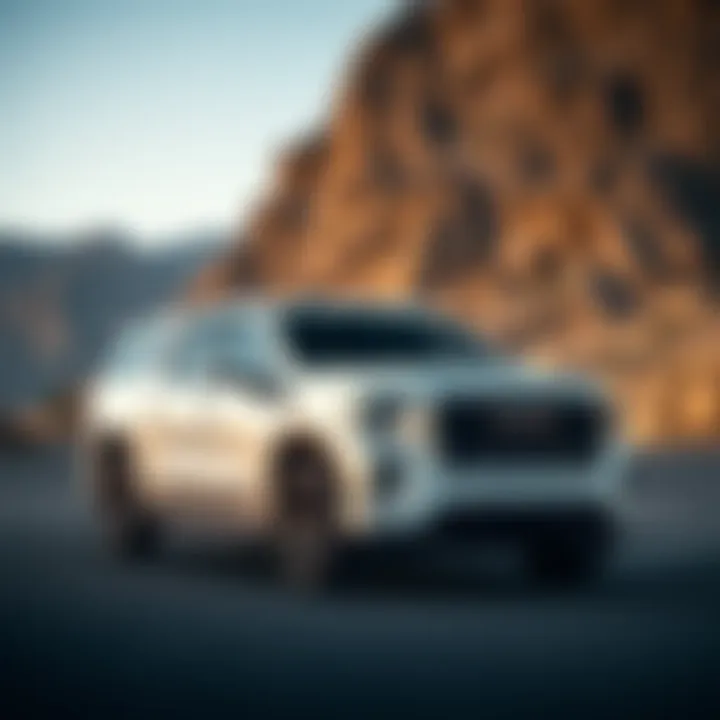
One of the standout aspects of the Sierra Super Cruise is its lane change support feature. This function doesn’t just make driving easier; it enhances safety and efficiency on the road. Imagine you're cruising along the highway, and you need to switch lanes to overtake a slower vehicle. With Sierra Super Cruise’s lane change system, all you have to do is indicate your intention—just a flick of the turn signal—and the car takes care of the rest. This seamless transition not only reduces the mental load on drivers but also significantly lessens the chances of accidents that often arise from awkward lane changes.
"Lane change support turns the often stressful chore of switching lanes into a breeze, allowing drivers to keep their focus on the bigger picture."
Navigation Integration
Next on the list is the navigation integration. The Sierra Super Cruise employs advanced GPS technology that is continually updated, recognizing your location and the route ahead in real time. This integration supports not only the vehicle's navigation but also enhances its autonomous capabilities by anticipating upcoming challenges. For example, if the system recognizes a curved road ahead or a traffic signal, it adjusts the vehicle’s speed and steering in advance, ensuring a smooth journey. This level of foresight in navigation isn’t just about convenience; it actively contributes to a safer driving environment by fostering preparedness for changing road conditions.
Driver Monitoring System
Finally, let's delve into the driver monitoring system. This feature is crucial for maintaining safety while using the Super Cruise system. It keeps an eye on the driver to ensure that they are attentive and ready to take control of the vehicle when needed. Using a set of cameras, it observes the driver's head position and eye movement, alerting them if they seem distracted or disengaged. This is not merely an addition for vigilance; it's a safeguard that reflects the system’s commitment to user safety. After all, in a world where many distractions vie for attention, this monitoring system reassures both the driver and the passengers.
The combination of lane change support, robust navigation integration, and diligent driver monitoring creates a rich tapestry of functionalities that form the backbone of the Sierra Super Cruise. Each feature works synergistically, making not just a smart driving companion, but an intelligent one.
In summary, understanding these features is imperative for automotive enthusiasts or potential buyers looking to harness the full potential of modern driving technologies. The Sierra Super Cruise isn't just about autonomous driving; it's about enhancing the entire driving experience without compromising safety.
How Sierra Super Cruise Works
Understanding how Sierra Super Cruise operates is essential for grasping the larger context of its efficiency and versatility in autonomous driving. Sierra Super Cruise merges advanced technology with user-centric design, allowing drivers to experience the future of driving without feeling like they're in a sci-fi film. Through innovative technological components and well-thought-out operational mechanisms, this system sets the bar high in the automotive world.
Technological Components
Camera Systems
Camera systems in the Sierra Super Cruise are more than just a set of lenses; they are the eyes of the vehicle, providing critical data about the surroundings. Utilizing high-definition cameras, these systems track lane markings, nearby vehicles, and obstacles, ensuring a safe operating environment. The key characteristic of these cameras is their ability to function well in varied lighting situations, from bright sunlight to dimly lit streets. This adaptability is a major plus because it ensures consistent performance under diverse driving conditions.
One unique feature of Sierra's camera system is its stereoscopic vision, which allows the vehicle to perceive depth, making it easier to gauge distances accurately. While effective, the reliance on visual data can sometimes be hindered by adverse weather conditions such as heavy rain or snow, limiting the overall efficacy. Nonetheless, the reliability and precision it brings to autonomous driving cannot be overlooked.
Lidar Technologies
Another crucial technological component is the Lidar system, which uses laser pulses to map the vehicle's surroundings with remarkable accuracy. Essentially, this technology provides an in-depth three-dimensional view of the environment, allowing the vehicle to evaluate distances and detect objects that may not be visible to cameras. The standout characteristic here is its precision—Lidar's ability to detect minute variations in the distance enables Sierra Super Cruise to respond rapidly to real-time changes in its environment.
A specific advantage of Lidar is its capability to operate effectively at night and in various weather situations where traditional camera systems may falter. However, one must consider the cost of these systems, as Lidar-equipped vehicles tend to be on the pricier side of the market. The investment may be justified by the enhanced safety and awareness during drives.
Control Algorithms
Control algorithms play a vital role in making sense of the data gathered from both camera systems and Lidar technologies. These algorithms function as the brain of the Sierra Super Cruise, processing vast amounts of information in real-time to execute maneuvers appropriately. The key characteristic of these algorithms lies in their adaptive learning capabilities, meaning they continually improve as more data is processed. Such a feature is essential, ensuring the vehicle remains up to date with new driving situations and regulations.
One unique aspect of these algorithms is their ability to predict potential hazards by analyzing patterns and behaviors of other road users. While the algorithms carry substantial advantages, they also present challenges. Complex driving environments can overwhelm the system, leading to unpredictable behavior. Despite this, the evolving capabilities of these algorithms remain an impressive feat of technology.
Operational Mechanisms
The operational mechanisms behind Sierra Super Cruise are designed with user experience in mind, progressing seamlessly between automated functions and manual input. The system allows for a natural transition between assisted and fully autonomous driving modes. This ensures that drivers can still maintain a degree of control while benefiting from automation. Additionally, the system thoroughly engages with navigation data, further enhancing its effectiveness on various roads.
In the world of automotive technology, Sierra Super Cruise demonstrates a synthesis of innovative hardware and intelligent software. As developers tweak and refine these technological components, the implications for driving safety and convenience are profound, making the future of Sierra Super Cruise and similar systems an exciting arena to watch.
User Experience with Sierra Super Cruise
The user experience with Sierra Super Cruise is central to understanding how this advanced driving technology integrates into daily life. It’s not just about the tech itself; it’s how drivers, passengers, and even car enthusiasts perceive and interact with it. This section will highlight critical aspects that contribute to a satisfying driving experience with Sierra Super Cruise, focusing on its interface and how it performs in real-world conditions.
Intuitive Interface
The intuitive interface of the Sierra Super Cruise system plays an essential role in making it accessible to all drivers, regardless of their technical savvy. Imagine sitting behind the wheel, and rather than wrestling with complicated controls, you are greeted with a clean, easy-to-navigate display that feels familiar at first glance.
The interface is visually appealing, utilizing a clear layout that emphasizes usability. Important information is displayed prominently, while secondary features remain tucked away but easy to access if needed. For instance, when you activate the Super Cruise, the system provides real-time feedback on the road conditions, allowing you to stay aware without feeling overwhelmed.
"An interface should never feel like a puzzle to solve in the midst of driving; it should guide effortlessly and intuitively."
Another highlight is the voice command functionality, which allows users to interact hands-free. Imagine telling your car to change the destination or adjust climate controls as you cruise down the highway. This feature reduces distractions and significantly enhances the driving experience.
Additionally, Sierra’s training mode enables new users to familiarize themselves with the functionalities before hitting the road. By presenting interactive tutorials, the system ensures that the driver feels confident and empowered to use the technology effectively, resulting in a more enjoyable and safer experience overall.
Real-World Performance
When it comes to real-world performance, the Sierra Super Cruise system demonstrates its capability through varied driving scenarios. Whether navigating congested city streets or open highways, this technology rises to the occasion with finesse. In city settings, the system’s responsiveness and adaptability shine. There’s a noticeable smoothness in handling tight turns and sudden stops, allowing for a driving experience that feels both safe and natural.


One can’t help but appreciate the way the system copes with unanticipated obstacles, like a cyclist veering into the lane or sudden roadwork signs popping up without warning. The integration of advanced camera systems, lidar technologies, and control algorithms allows the Super Cruise to react decisively and timely, ensuring a performance that builds driver trust.
Furthermore, long road trips with Sierra Super Cruise can notably alter how drivers approach distance travel. Feedback from users often highlights a reduction in overall stress and fatigue. With the technology effectively steering, accelerating, and braking, it allows drivers to take a breath or grab a snack without compromising safety.
In summary, the real-world performance of Sierra Super Cruise serves not only to affirm its technological prowess but also to enhance the overall driving experience. This aspect, coupled with its user-friendly interface, solidifies its position as a frontrunner in autonomous driving technology.
Benefits of Sierra Super Cruise
The Sierra Super Cruise system comes with a wealth of benefits that not only elevate the driving experience but also contribute to overall road safety and efficiency. In an era where automotive technology is making strides towards automation and smarter driving solutions, understanding what the Super Cruise offers is particularly crucial. For automotive enthusiasts and new car buyers alike, recognizing the benefits can aid in making informed decisions about vehicle purchases. Let's delve into some of the standout features of this system.
Enhanced Safety Features
Safety is paramount when it comes to vehicles, and Sierra Super Cruise does not disappoint. One of its notable safety innovations is the integrated driver monitoring system, which actively ensures that the driver remains attentive while the vehicle is in autonomous mode. The system uses camera technology to track the driver’s head position and eye movement, alerting them if attention drifts away from the road ahead.
Additionally, Super Cruise employs adaptive cruise control that adjusts speed according to traffic conditions. This means that if a vehicle suddenly slows down in front, the Sierra Super Cruise will automatically respond, significantly lowering the risk of collisions. It's like having a co-pilot who’s always alert, ready to react when you need it most.
"With the Sierra Super Cruise, drivers can enjoy more peace of mind, knowing that they're supported by advanced technology that prioritizes safety."
Reduced Driver Fatigue
Driving long distances can be a tedious task, often leading to fatigue for many drivers. Sierra Super Cruise aims to alleviate this with its seamless transition between manual and autonomous driving modes. Once engaged, drivers can relax their grip on the steering wheel on well-mapped highways, allowing them some respite from constant control. This technology is particularly beneficial during long stretches of highway travel where exhaustion can set in more quickly.
Another aspect that plays a crucial role in reducing driver fatigue is the intuitive interface. Users can easily engage Super Cruise and monitor the status without delving into complex menus. Convenience combined with reduced need for constant attention turns potentially exhausting drives into more manageable journeys.
Increased Fuel Efficiency
Fuel economy is a hot topic among car buyers, especially with rising fuel prices and growing environmental concerns. Sierra Super Cruise contributes positively to fuel efficiency. When operating in autonomous mode, the vehicle optimizes its speed and acceleration, maintaining a steady pace that enhances fuel consumption.
Moreover, the system’s predictive capabilities anticipate road conditions and terrain adjustments, allowing the vehicle to make smoother transitions. This proactive management of throttle and braking not only cuts down on fuel usage but also results in a less stressful driving experience overall. Car owners can feel good about both their wallet and their ecological footprint when using this technology.
Challenges and Limitations
Understanding the challenges and limitations of the Sierra Super Cruise technology is crucial for grasping its full potential. While the advancements in autonomous driving systems, especially Sierra Super Cruise, are groundbreaking, several hurdles remain. These can affect its overall safety, user adoption, and integration into the currently established transport frameworks. Exploring these aspects provides a well-rounded view that is essential for automotive enthusiasts and prospective buyers alike.
Operational Limitations
The operational limitations of Sierra Super Cruise are significant and stem from several technical and environmental factors.
Firstly, while the system boasts impressive capabilities, it is not designed for all road types. Highways and expressways are where Sierra Super Cruise shines, but the technology struggles in more complicated scenarios such as city traffic or rural landscapes. This limitation means that drivers still have to be vigilant and ready to take control if the situation demands it. For instance, during bad weather events like heavy rain or snow, the sensors may become impaired, leading to reduced effectiveness. This places an expectation on the driver to remain attentive, which counteracts the system's aim of alleviating fatigue.
Additionally, software updates can be slow in deploying particularly in regions with less robust infrastructure. If the updates are held back for whatever reason, it could limit the technology's functionalities and safety features.
Regulatory Hurdles
Navigating regulations is another challenging area for Sierra Super Cruise. Government agencies across the globe are still attempting to create a framework for autonomous vehicles. Regulations vary widely by region, with certain areas emphasizing more stringent standards for safety and liability, while others adopt a more laissez-faire approach.
In the United States, for example, the National Highway Traffic Safety Administration (NHTSA) has crafted guidelines that affect how companies roll out their technology. Competitors like Tesla may face different expectations based on their operational zones or features, which adds another layer of complexity. Regulatory uncertainty might lead to lingering doubts in potential buyers' minds, causing them to hesitate even as they see the benefits. If laws evolve too slowly, manufacturers of steady innovations like Sierra Super Cruise could grapple with effectively managing expectations and legal implications.
Public Perception
On the perception front, the public's understanding of autonomous driving technology is frequently mixed. Many individuals hold onto misconceptions about the capabilities of systems like Sierra Super Cruise: some believe it to be a 'fully autonomous' solution when it requires driver engagement, while others distrust technologies that aim to take over tasks traditionally handled by humans.
This skepticism can make it difficult for manufacturers and marketers to present their innovations positively. An ongoing need exists to educate consumers not just about how these systems function but also about how they enhance safety and resilience on the road.
To build consumer confidence, transparency is paramount. Offering clear explanations of how Sierra Super Cruise operates, including its limitations and areas of responsibility relative to the driver, can help demystify the technology.
In summary, while Sierra Super Cruise is certainly a step forward in autonomous driving, it faces operational limitations, regulatory hurdles, and public perception issues that must be addressed to foster greater acceptance and utilization. As technology evolves, acknowledging these challenges will be key to the success of Sierra Super Cruise and similar innovations in the automotive landscape.
Future Developments in Super Cruise Technology
As vehicles equipped with Sierra Super Cruise continue to hit the roads, the future of this autonomous driving system is worth exploring. The rapid developments in automotive technology combined with societal shifts towards greener and smarter transport solutions suggest that we are only scratching the surface of what Sierra Super Cruise can achieve.
This section seeks to illuminate potential advancements that could be on the horizon for Super Cruise and how integrating other technologies might elevate the system further. Each component plays a crucial role in determining the practicality, safety, and overall experience of super cruising.
Potential Technological Advancements
The realm of autonomous driving is constantly evolving. In the case of Sierra Super Cruise, several potential advancements could change how we think about driving completely. Here are some anticipated developments:
- Enhanced Sensor Capabilities: Improved cameras and radar systems may significantly boost the system’s ability to recognize and respond to complex driving environments. Picture a vehicle that can accurately navigate through a snowstorm or heavy rainfall, learning to adapt its performance to changing conditions.
- AI-Driven Decision Making: With advancements in artificial intelligence, Super Cruise could evolve to make more nuanced driving decisions. Imagine a system capable of predicting the actions of other drivers, leading to smoother and safer interactions on the road.
- Adaptive Learning: Future iterations could incorporate machine learning techniques. This means that the system might learn from users’ driving habits, refining its functionality to serve individual preferences better, adjusting to the driver’s behavioral patterns over time.
- Greater Connectivity: As vehicle-to-everything (V2X) technologies advance, Super Cruise may utilize real-time data from infrastructure, other vehicles, and even pedestrians. This could foster a safer and more efficient driving environment.
Integration with Other Technologies
To take full advantage of the capabilities of Sierra Super Cruise, integrating with other emerging technologies is vital. The potential overlaps with various sectors could lead to exceptional enhancements in how we approach transportation:
- Smart City Infrastructure: As cities evolve into smart environments, integrating Super Cruise with smart traffic lights and road sensors could optimize traffic flow, reducing bottlenecks and streamlining journeys.
- Electric Vehicle (EV) Synergy: For those who drive electric vehicles, coupling the Super Cruise system with efficient power management tools could lead to longer ranges and better energy conservation strategies. It could even tap into charging station data to plan routes accordingly.
- Augmented Reality (AR) Navigation: Imagine blending Super Cruise with AR displays in the vehicle, providing another layer of navigation support. Users could enjoy a visual overlay that highlights optimal driving paths, hazards, or interesting landmarks along their route.
This potential for growth not only promises to elevate driving efficiency but also positions Sierra Super Cruise as a substantial player in shaping the future intersection of technology and transportation.
In summation, the progression of Sierra Super Cruise technology hinges upon relentless innovation. Future advancements will dictate how seamlessly and safely we navigate our travels.
For further reading, explore resources like Wikipedia or Britannica. Additionally, keep an eye on discussions at Reddit to see how tech enthusiasts perceive these changes.
Comparative Analysis with Other Autonomous Systems
In today's rapidly evolving automotive landscape, understanding how different autonomous driving systems stack up against each other is critical. A comparative analysis yields insights into the strengths and weaknesses of various technologies, enabling consumers to make more informed decisions and manufacturers to refine their offerings. In this section, we spotlight Sierra Super Cruise and how it holds its ground against notable competitors, particularly Tesla Autopilot.
Comparison with Tesla Autopilot
One of the most recognized names in autonomous driving technology is Tesla, with its Autopilot system leading the charge. Both Sierra Super Cruise and Tesla Autopilot offer significant advancements in the realm of autonomous driving, but their approaches differ in key aspects.
- Operational Scope: Tesla Autopilot is designed for a broader range of conditions, with capabilities that extend to city streets while Sierra Super Cruise predominantly focuses on highway driving. This means that while Super Cruise may excel on well-defined thoroughfares, it often lacks the versatility found in Tesla's offerings.
- User Experience: Sierra Super Cruise prides itself on providing a more seamless experience due to its hands-free driving mode on approved roads. Tesla, in contrast, requires that drivers maintain a degree of engagement and readiness to assume control at any moment, which can lead to a disengaged user experience in the long run.
"The battle of the autonomous systems is not just about technology; it's about user experience and safety."
Differentiating Factors in Performance
When steering through the performance metrics, Sierra Super Cruise and Tesla Autopilot diverge along several important lines. Here are a few standout points:
- Sensors and Detection: Super Cruise employs a combination of lane assist and advanced radar systems, while Autopilot deploys a more diverse array of sensors, including ultrasonic sensors and cameras, allowing for broader environmental detection.
- Geofencing: Sierra Super Cruise relies heavily on mapped highways for its functionality, leading to superb performance in those particular environments, but may limit a user's experience outside those parameters. Tesla's strategy embraces a more fluid geographical footprint, capable of adapting to urban settings without extensive geofencing.
- Error Tolerance and Safety: With autonomous driving, safety is paramount. Tesla has faced scrutiny in the past due to some high-profile accidents, leading to discussions about its safety protocols, whereas Super Cruise has garnered praise for its well-crafted safeguards.
In summary, while Sierra Super Cruise and Tesla Autopilot push the envelope of what's possible in autonomous driving, their differentiated approaches to performance and usability create distinct experiences for drivers. Each has its advantages and limitations, and understanding these nuances can guide potential buyers and industry stakeholders alike.
Finale
In this ever-evolving field of automotive technology, the Sierra Super Cruise stands out not just as a technological marvel but as a key player shaping the future of driving. The significance of this system extends beyond mere convenience; it embodies a substantial shift in how we perceive driving altogether. As autonomous features get more integrated into our daily lives, understanding the dynamics of systems like Super Cruise becomes crucial for consumers and industry stakeholders alike.
The benefits of Sierra Super Cruise are notable, especially in enhancing safety, reducing driver fatigue, and improving fuel efficiency. Each of these elements contributes to a more streamlined driving experience, which is increasingly appealing in a world where time and efficiency reign supreme. However, it is important to consider the limitations, such as the reliance on certain road conditions and changing regulations which could affect its performance. These challenges underline the importance of continuous improvements and adaptations in user education surrounding such technologies.
Moreover, as we look forward to exciting advancements in autonomous driving, Sierra Super Cruise is positioned to lead the way. Future developments that focus on improving integration with other technologies can pave the path to smarter, safer roads. As automotive enthusiasts and potential buyers, grasping these aspects equips consumers with critical knowledge, enabling them to make informed choices in their next vehicle purchase.
"Understanding these systems is not just for tech enthusiasts; it has become a necessary skill for all modern drivers."
For further reading:
- Wikipedia on Autonomous Vehicles
- National Highway Traffic Safety Administration
- Industry News and Discussions
References and Further Reading
Exploring the Sierra Super Cruise provides insights not just into a cutting-edge driving system, but also opens doors to understanding the larger conversation surrounding autonomous driving technologies. Having robust references and further reading is essential for readers who wish to deepen their comprehension and navigate this evolving field.
In this context, the importance of references and further reading can’t be overstated. They serve multiple purposes:
- Filling Gaps in Knowledge: Readers often come with varying levels of understanding. Some may already be familiar with basic terms, while others may need more foundational knowledge. Supplementary materials can clarify complex jargon and technological concepts.
- Fostering Critical Thinking: Engaging with multiple sources allows readers to compare viewpoints, analyze differing opinions, and form their own conclusions about Sierra Super Cruise and its role in the automotive sphere. This reflective process promotes critical thinking, a skill that's invaluable in today's information-rich environment.
- Staying Current: The sector of autonomous driving technology is fast-paced. New developments, regulations, and innovations arise frequently. Engaging with current literature keeps readers informed about the latest advancements and helps them understand how emerging technologies like Sierra Super Cruise fit into the broader landscape.
- Encouraging Informed Decision-Making: For potential buyers and enthusiasts, diversified reading equips them with knowledge to make choices that align with their preferences and needs. A well-informed consumer is more likely to assess the long-term viability of adopting a system like Sierra Super Cruise.
"The best way to predict the future is to create it." – Abraham Lincoln
Recommended Resources
Here are several curated resources that can enhance your understanding of the Sierra Super Cruise and autonomous driving technology in general:
- Wikipedia: For foundational knowledge on autonomous vehicles and their evolution, check out Wikipedia's page on Autonomous Cars.
- Britannica: This is a great source for comprehensive information regarding the history and advancements in vehicle technology. Visit Britannica's section on Automotive Technology.
- Forums like Reddit: The discussions often provide real-world insights from users. Visit threads related to Sierra Super Cruise on Reddit to see what fellow enthusiasts are saying.
- Government and Educational Sites: Websites like NHTSA.gov or IEEE.org offer valuable research and regulations regarding autonomous vehicle deployment and safety. These platforms often have white papers and official guidelines that can bolster your understanding.
- Automotive Magazines and Journals: Regularly reading publications such as Car and Driver and Motor Trend can provide up-to-date coverage of advancements and comparisons in automotive technologies.
By diving into these resources, you can ensure a well-rounded understanding of the Sierra Super Cruise and be informed about its current status in the automotive landscape. Keeping abreast of changes and discussions in this field enables readers to engage meaningfully with emerging technologies and innovations.