Exploring the 2015 5.0 Coyote Engine's Features and Performance


Intro
The 2015 5.0 Coyote engine stands as a key player in Ford’s engineering accomplishments, showcasing a blend of power, efficiency, and innovative design. Distinguished as a V8 engine, it embodies the brand's quest for performance while embracing modern technological advances. This engine model represents a significant leap forward from its predecessors, making it a noteworthy subject for automotive enthusiasts and prospective buyers alike.
With the robust capability to produce up to 435 horsepower, the Coyote engine provides an exhilarating driving experience that captures attention. Its evolution over the years has highlighted Ford's dedication to not only meet but exceed the expectations of consumers seeking an exciting ride, coupled with practicality. In this article, we will navigate through the heart of the 2015 Coyote engine, discussing its key specifications, performance characteristics, and the cutting-edge technology that underpins its operation.
Through the lens of detailed examination, readers will gain essential insights into how this powerplant contributes to the larger narrative of Ford's automotive innovations. The following sections will dissect the intricacies of the engine and its applications, providing a rich understanding that will empower informed decisions in purchasing or appreciating vehicles equipped with the Coyote engine.
Preface to the Coyote Engine
The Ford Coyote engine has become a hallmark of modern automotive engineering, presenting a blend of performance, efficiency, and innovation. Its presence in various Ford models has marked a significant evolution in the company's perspective towards powertrains. The 2015 5.0 variant of this engine stands as a testament to Ford's commitment to providing powerful yet efficient driving experiences.
Understanding the significance of the Coyote engine not only helps automotive enthusiasts appreciate Ford's engineering prowess but also guides potential buyers in their car choices. This section aims to set the stage for a deep dive into the Coyote engine, mapping out the crucial elements that have contributed to its acclaim.
Overview of Engine Evolution
A glance at the history of the Coyote engine reveals an impressive trajectory marked by innovation and responsiveness to shifting automotive demands. First introduced in 2011, the Coyote infotentionally caught the attention of both performance enthusiasts and casual drivers, thanks to its potent 5.0-liter V8 configuration. This engine breathed new life into the Mustang, presenting a compelling answer to the competition.
Over the years, the Coyote engine has undergone numerous refinements, transforming from a purely performance-centric powerplant into a versatile engine capable of achieving higher efficiency and lower emissions.
- 2011: Initial launch, delivering strong power and torque, reshaping the perception of Ford's V8 offerings.
- 2015: The engine receives enhancements that bolster performance metrics and driveability.
- Subsequent years: Continuous improvements, focusing on efficiency without compromising power.
Moreover, innovations in materials and design, such as aluminum construction reducing overall weight, showcase how the Coyote has married performance with modern engineering principles. Its direct fuel injection system and variable valve timing features reflect the cutting-edge technology that Ford has integrated into this engine family.
In summary, the evolution of the Coyote engine paints a picture of adaptability and forward-thinking, essential for anyone looking to understand not just the engine itself, but its broader implications in the automotive landscape. This foundation will be critical in exploring the specifics of the 2015 5.0 Coyote engine and its standout attributes.
Specifications of the 5. Coyote Engine
Understanding the specifications of the 2015 5.0 Coyote engine is fundamental, as it provides insight into the power, efficiency, and overall performance capabilities that automotive enthusiasts seek in modern vehicles. The Coyote engine is Ford's flagship in the competition of performance engines and illustrates a perfect blend of engineering prowess and thrilling driving experience. Key specifications lay the groundwork for further exploration of compound elements, like power delivery and tuning potential, making it essential for buyers and gear heads alike to appreciate these underlying aspects.
Displacement and Configuration
The 2015 5.0 Coyote engine boasts a displacement of 5.0 liters, constructed in a V8 configuration. Thus, displacement is often viewed as a primary factor behind engine performance, and with this engine, it becomes immediately apparent that there’s a robust foundation for power. The V8 design not only allows for smooth power delivery but also contributes to lower vibrations compared to inline engines. It's like the engine is tuned for harmony while dishing out serious power. This design means you'll often find this engine in vehicles praised for their balancing of power and sophistication—ideal for both everyday driving and spirited weekends at the track.
The efficacy of this exact configuration is evident in its blueprint: the aluminum block reduces weight yet maintains strength, and this combination further enhances the vehicle's overall dynamics. With a compression ratio sitting at about 11.0:1, this engine is designed cleverly, ensuring not just power but also efficiency, catering to a wide audience of performance lovers.
Power and Torque Ratings
When we turn our attention to the heart of performance, we find the 2015 5.0 Coyote engine produces approximately 412 horsepower and about 390 lb-ft of torque. These figures are substantial, offering a thrilling experience whether you're accelerating on the highway or engaging in spirited track days. To many, these numbers on paper translate directly to feelings behind the wheel, enhancing the overall driving experience.
The torque curve is crucial in understanding how the Coyote engine performs day-to-day. Torque delivery is crucial for quick acceleration, and it’s right here that the engine really excels. The engine reaches peak torque at around 4,500 RPM, providing robust performance that’s responsive and engaging, especially during those crucial low to mid-range speeds.
"The power of the Coyote V8 is not merely a number on a specification sheet—it’s the promise of an exhilarating drive through every twist and turn, on the street or the track."
Ultimately, in the realm of automotive performance engines, the specifications of the 2015 5.0 Coyote engine paint a portrait of a capable, well-tuned powerhouse. These figures don’t just represent capabilities; they define the relationship between an engine and its driver, offering a satisfying blend of power and responsiveness.
Design and Engineering Features
When delving into the essence of the 2015 5.0 Coyote engine, it becomes glaringly clear that the design and engineering features hold monumental significance. They are foundational to the engine's performance, reliability, and the overall driving experience it provides. Ford's engineering team has meticulously crafted each component to ensure efficiency, high performance, and durability—all while embedding innovative technology that propels this engine into the modern age. Highlighted below are several key aspects that make the Coyote engine an exemplary piece of automotive engineering.
Cylinder Head Design
The cylinder head of the 2015 5.0 Coyote is nothing short of a marvel. It employs a dual overhead cam (DOHC) configuration, a trait that benefits the engine's horsepower by allowing for higher revs and improved airflow—crucial factors for those who crave power.
One noteworthy feature is its cylinder head porting. Enhanced port designs facilitate stellar air-fuel mixing, optimizing combustion efficiency. The angle and size of the ports have been carefully measured to achieve an optimum balance between velocity and volume.
Furthermore, the Coyote's use of aluminum for the cylinder head contributes to weight reduction, aiding overall vehicle dynamics. This heads-up design ensures that the engine maintains a robust performance without the bulk that can bog down handling. In fact, the design elements of the cylinder head play a significant role in supporting the engine's power output, with ratings reaching up to 435 horsepower in this version.
"A well-designed cylinder head can make the difference between an engine that performs decently and one that reaches exhilarating heights."
Intake and Exhaust Systems
Next on the map is the intake and exhaust system of the Coyote engine. These systems are the unsung heroes that enable optimal air flow - the life source of any combustion engine.
The intake uses a high-performance air intake manifold that maximizes airflow into the combustion chamber. This not only bolsters the engine's overall power but allows for quicker throttle response, which is especially appreciated when merging into fast traffic. The design showcases a split runner architecture which is engineered for high-velocity airflow, making for efficient breathing at high RPMs.
On the flip side, the exhaust system is equally impressive. A finite attention-to-detail approach employed in the design minimizes back pressure, allowing spent gases to exit seamlessly. The unequal-length headers enhance sound quality and can contribute to a noticeable performance boost. The resulting exhaust note has become iconic among automotive aficionados, striking just the right balance of growl and refinement.
Materials and Build Quality
The materials used in the construction of the 2015 5.0 Coyote engine illustrate an intention for longevity and strength without sacrificing performance. High-grade components such as forged steel cranks, aluminum alloys, and reinforced composite parts ensure that the engine can withstand both the wear of time and the stress from high-performance demands.
One striking attribute is the use of lightweight yet resourceful materials in its design. For example, the pistons employ advanced aluminum castings, providing a high-strength-to-weight ratio, which not only enhances performance but also improves thermal efficiency.
Moreover, Ford has integrated stress-relieving techniques in the manufacturing process that provide further durability, so potential issues of warping or fatigue are significantly reduced.


Collectively, these engineering features contribute to an engine that is not only fierce and dynamic but also dependable in the long run. The 2015 5.0 Coyote stands as a testimony of Ford’s commitment to excellent engineering with a refined focus on performance and user satisfaction.
This engine design creates a vivid example of how old-school muscle meets cutting-edge tech, wowing enthusiasts and everyday drivers alike.
For more information on engine designs: Wikipedia on Engine Design and Automotive Engineering.
Performance Analysis
The performance analysis of the 2015 5.0 Coyote engine is an essential section that sheds light on how this robust powerplant operates under various driving conditions. Understanding the performance metrics is crucial for enthusiasts and potential buyers alike, as it informs decisions and expectations regarding both daily driving and spirited performance. This section focuses on several critical factors: acceleration, throttle response, fuel efficiency, and overall driving dynamics. This understanding not only feeds curiosity but also highlights the Coyote engine's competitive edge against rival options in the V8 segment.
Acceleration and Throttle Response
Acceleration is the heartbeat of any powerful engine, and the 2015 5.0 Coyote is no exception. The engine's ability to go from 0 to 60 mph in just a shade over four seconds in the Mustang GT exemplifies its engineering prowess. With a blend of an aluminum block and forged steel internals, this powerplant is not just muscular but remarkably reactive.
The throttle response, a vital aspect of driving pleasure, is where the Coyote engine shines brightly. Drivers will often notice how quickly the engine responds to accelerator inputs. This immediacy is partially due to the engine's design, which incorporates advanced fuel injection technologies. The throttle by wire setup ensures precise control, transforming a gentle press into immediate power delivery.
"The Coyote engine's throttle response makes every drive feel exhilarating, blending power with precision seamlessly."
The driving experience is further enhanced by the 6-speed manual or 6-speed automatic transmission options, which are finely tuned to complement the powerband. These design elements work hand-in-hand, creating a fluid and responsive driving experience that enthusiasts crave.
Fuel Efficiency Metrics
Fuel efficiency might not be the first thing that comes to mind with a V8 engine, but the 2015 5.0 Coyote manages to strike an admirable balance. Ford integrated technologies like variable valve timing and direct fuel injection, which minimizes wastage and maximizes energy production. When driving conditions are optimal, the Coyote can achieve up to 25 miles per gallon on the highway.
It’s noteworthy that the engine's efficiency is not just about the raw numerical results; it reflects the broader trend towards sustainability in vehicle design. Owners can enjoy a powerful driving experience without feeling shackled by the looming specter of the fuel pump.
However, it’s crucial for buyers to grasp that real-world fuel efficiency can vary. Several factors influence this, from driving style to maintenance routines. Keeping the car well-tuned and ensuring regular servicing can encourage the engine to perform at its best creatively.
Driving Dynamics
Driving dynamics encapsulate how a vehicle responds to steering and throttle inputs, and here, the 2015 Coyote engine paired with a competent chassis makes for an engaging ride. The blend of a well-calibrated suspension system with rear-wheel drive architecture creates not just stability but an exhilarating driving sensation.
This engine delivers an ample amount of torque across a broad RPM range, allowing for confident overtaking and smooth transitions through corners. This performance is particularly evident in the Mustang, where the Coyote gives drivers the confidence to push the car to its limits.
In summary, the 2015 5.0 Coyote engine is not merely a powerhouse; it's a marvel of modern engineering that combines brute strength with intelligence. Enthusiasts will appreciate how well it performs, from rapid acceleration to fuel efficiency, delivering a driving experience that many other engines in its class struggle to match.
For further reading on engine performance metrics, consider resources like Wikipedia on Engine Performance or check out discussions on platforms like Reddit.
Technological Advancements
The 2015 5.0 Coyote engine stands out not only for its power and performance but also for its adept integration of cutting-edge technologies. Keeping pace with the rapidly evolving automotive industry, Ford’s engineers introduced several advancements that enhance efficiency, reduce emissions, and bolster overall driving experience. Each innovation represents a leap towards a more sustainable and performance-oriented future in automotive engineering.
Direct Fuel Injection System
The direct fuel injection system in the Coyote engine ignites a notable shift from traditional methods by injecting fuel directly into the combustion chamber, instead of into the intake manifold. This method provides a more precise fuel distribution, leading to better combustion efficiency. Consider this: by utilizing a high-pressure system, the engine can achieve more complete fuel vaporization, which in turn maximizes power output while minimizing fuel consumption.
- Benefits:
- Increased horsepower due to better fuel atomization.
- Enhanced fuel economy, with some users reporting improved mileage under certain conditions.
- Lower emissions, aligning with modern stringent regulations.
One cannot overlook how these enhancements not only meet consumer expectations but also respond to a broader environmental consciousness among car buyers today. The Coyote's direct fuel injection system serves as a testament to Ford’s commitment to innovation in an era where efficiency is key.
Variable Valve Timing (VVT)
Variable Valve Timing, commonly referred to as VVT, is another formidable feature incorporated into the Coyote engine. This system adjusts the timing of the valve openings and closings based on engine speed and load, resulting in enhanced performance across different driving conditions. The beauty of VVT lies in its flexibility.
- Advantages:
- Optimized torque at low RPMs helps in city driving without constantly flooring the gas.
- Improved horsepower at higher RPMs, transforming the engine into a beast on the open road.
- Smoother engine operation and sound, which many enthusiasts appreciate during spirited driving.
In effect, the implementation of VVT gives the driver a noticeable advantage, creating an adaptable engine that thrives whether in stop-and-go traffic or cruising at high speeds. This adaptability reflects the growing demand for engines to perform reliably across diverse conditions, making it a sought-after trait by both casual drivers and performance aficionados.
Cooling Innovations
A crucial aspect of engine technology is how effectively it manages heat. The 2015 Coyote engine employs several innovative cooling techniques that enhance reliability and performance. With performance engines, excessive heat can be detrimental, leading to wear and tear over time.
To combat this, Ford has integrated an advanced engine cooling system that includes higher capacity water pumps, a more efficient radiator, and strategically placed cooling channels.
- Features:
- Faster coolant flow ensuring heat dissipates quickly.
- Reduced risk of engine overheating during high-stress conditions.
- Enhanced performance consistency, leading to fewer power drops during intense usage.
These cooling innovations not only prolong the life of the engine but also ensure that it operates under optimal conditions, particularly during demanding situations such as towing or performance driving. Such foresight reflects the essence of modern automotive engineering: creating durable and reliable vehicles that stand the test of time.
Technology is never static; it evolves to meet and exceed the demands of drivers everywhere.


Market Position and Competitors
Understanding the market position of the Coyote engine isn't just a matter of statistics or figures; it reveals how this engine stands against rivals in a highly competitive automotive space. This section will illuminate the Coyote engine’s place in today's market and how it competes against other V8 counterparts, particularly in the muscle car and truck segments.
Comparison with Other V8 Engines
When you look at the landscaping of V8 engines, the 2015 5.0 Coyote engine holds its own against others like the Chevrolet LS3 and the Dodge HEMI 5.7. Each engine, with its own unique set of features, creates a vast playground for enthusiasts and potential customers alike. For instance, the LS3 puts out impressive horsepower but lacks the same responsiveness at lower RPMs that Coyote fans rave about.
- Power Output: The Coyote engine churns out around 412 horsepower, which places it solidly in the pack; however, it is the high-revving nature and the linear power delivery that give it a distinctive edge.
- Technology Comparison: With direct fuel injection and variable valve timing, the Coyote showcases cutting-edge technology that provides both power and efficiency, something many rivals struggle to balance.
- Weight Considerations: When looking at weights, the Coyote's aluminum block contributes to a favorable power-to-weight ratio, while others may still cling to iron, affecting performance.
In a tight competition, a minor detail can tip the scales. The 5.0 Coyote engine’s ability to rev freely adds a performance dynamic that others might lack, making it a prime choice for performance enthusiasts.
Consumer Perception
Consumer perception of the 5.0 Coyote engine is as telling as data, as it reflects the real-world experiences of those who drive it. The discussions among owners often center on how the engine performs day-to-day, which is crucial for potential buyers. From online forums to social media platforms, a few consistent themes emerge.
- Owner Satisfaction: Many Coyote owners express pride in their choice, highlighting the engine’s reliability and performance. It's not just a number on paper; it's the feeling of acceleration and the joy of driving.
- Customizability: The modular nature of the engine allows owners to easily modify it, which sparks creativity and personal expression in tuning and performance upgrades. Aftermarket parts are plentiful, catering to enthusiasts eager to push their engines further.
- Community Engagement: Platforms such as Reddit and Ford enthusiast forums are abuzz with discussions on the engine, creating a sense of community that reinforces a positive image of the Coyote engine.
"The Coyote engine isn't just about raw power; it’s the community that makes it a standout in the V8 market. You connect with people who share a passion for performance and engineering, and that’s powerful!"
This perception isn't just smoke and mirrors. The genuine love for the Coyote engine among its owners becomes a sort of marketing in itself, drawing more enthusiasts to Ford’s offerings.
Overall, the Coyote engine's market position is solidified through its blend of performance metrics and consumer satisfaction, making it an appealing option for a diverse array of drivers. It remains important for Ford to focus on continuously enhancing these aspects as they navigate an evolving automotive landscape.
Application in Ford Models
The 2015 5.0 Coyote engine finds itself at the heart of several cornerstone models within Ford's lineup. Understanding how this engine fits into the broader spectrum of Ford vehicles is crucial for anyone looking to appreciate its engineering prowess and real-world application. The integration of this engine has not only influenced performance metrics but has also redefined consumer expectations from modern automobiles.
F-150 Integration
One of the standout applications of the 5.0 Coyote is its role within the Ford F-150. Renowned as America’s best-selling truck, the 2015 F-150 leverages the capabilities of this engine to cater to both casual drivers and serious truck enthusiasts. This integration brings two key advantages: power and versatility.
- Power on Demand: The Coyote engine delivers robust horsepower and torque, making the F-150 capable of tackling everything from daily driving to heavy-duty hauling. With ratings around 385 horsepower and 387 lb-ft of torque, this truck can tow significant weight without breaking a sweat, making it a top choice for those needing both muscle and reliability.
- Adaptability: The F-150 features a lightweight aluminum body which, when combined with the Coyote engine, enhances fuel efficiency without compromising capability. This balance is essential as more consumers are looking for powerful options that don't guzzle gas.
The Ford F-150's engine performance is a driving force behind its popularity, which is no simple feat in a fiercely competitive market.
Mustang Performance Variants
The 5.0 Coyote also powers various performance versions of the Ford Mustang, a name that sings in the ears of car fans everywhere. This engine's application in the Mustang is significant due to several reasons.
- Heritage and Performance: Historically, the Mustang has always been about raw performance. The 2015 iteration with the Coyote engine continues that legacy, establishing a benchmark for modern muscle cars. The resulting acceleration and road feel has built a loyal fan base who revels in the performance that these variants bring.
- Customization Potential: Owners of the Coyote-powered Mustang often indulge in performance enhancements. With a strong aftermarket culture, modifications like supercharger kits and improved exhaust systems are commonplace. This makes the vehicle a canvas for enthusiasts seeking personalized performance and aesthetic tweaks.
The Mustang's distinct performance identity is further augmented by the capabilities of the Coyote engine, bridging vintage appeal with modern technology.
Potential in Other Vehicles
Beyond the F-150 and Mustang, the Coyote engine stands at a crossroads of potential within Ford’s diverse portfolio. Each vehicle poses unique challenges and opportunities for the engine’s application.
- Sporty Models: The adaptability of the Coyote engine suggests it could easily fit within sport coupes or sedans. Imagine a performance-oriented variant of the Ford Fusion, blending practicality with high-end specs. An idea that could resonate in future developments.
- Electric Hybrid Synergies: As manufacturers pivot towards more sustainable solutions, the Coyote engine also raises eyebrows about potential hybrid applications. Pairing this engine with electric assist could redefine performance benchmarks while addressing environmental concerns.
- Commercial Applications: There's also a chance for the Coyote in commercial vehicles. Its reliability and efficiency characteristics make it a candidate for vehicles used in fleet operations, like those seen in delivery and logistics fleets.
The possibilities for the Coyote engine extend across Ford’s lineup, suggesting a bright future where versatility and performance continue to collide.
"The 5.0 Coyote isn't just an engine; it's a testament to Ford's commitment to performance across multiple segments."
In sum, the application of the 2015 5.0 Coyote engine in Ford models underscores its importance not just for enhancing performance, but also for shaping consumer experience across different vehicle categories.
User Reviews and Experiences
User reviews and experiences serve as a pivotal part of understanding the 2015 5.0 Coyote Engine. They provide real-world insights that go beyond technical specifications and manufacturer claims. While data from sources like car magazines or engineering journals can give a glimpse into a vehicle's capabilities, it's the everyday usage and feedback that paint an accurate picture of how the engine performs in various conditions. Engaging with the community through reviews allows potential buyers and enthusiasts to assess not only performance metrics but also reliability and long-term satisfaction.
Owner Satisfaction Ratings
The 2015 5.0 Coyote Engine has generally garnered positive reviews from owners, particularly in terms of power delivery and driving experience. Many users report that the engine is not just quick off the mark but offers a linear power band, making it suitable for both daily driving and spirited weekend jaunts. Some key points of satisfaction include:
- Power: Owners highlight that the engine provides ample horsepower and torque, especially during hard acceleration. This responsiveness is often mentioned in forums like reddit.com where users share their experiences.
- Reliability: The Coyote engine has been praised for its durability, with many comments indicating that with proper maintenance, these engines tend to last long, which adds to owner confidence.
- Versatility: Several owners appreciate the adaptability of the engine, noting that it performs well whether in an F-150 or a Mustang, showcasing its broad appeal across various Ford models.
In a survey conducted on automotive enthusiast sites, reports indicated that about 85% of owners expressed satisfaction with their ownership experience, coining phrases like "the best of both worlds" when referring to the blend of performance and comfort.
Common Issues and Solutions
While the 2015 5.0 Coyote Engine is often lauded for its strengths, it's important to acknowledge that no engine is without its flaws. Common issues reported by owners often revolve around specific components. For example:
- Ticking Noise: A handful of owners have reported hearing a ticking noise under certain conditions, especially during cold starts. This is sometimes attributed to the valvetrain. Solution: Regular maintenance and using quality oil can help mitigate this issue.
- Fuel Consumption: Although performance is a strong point, some owners express concerns about fuel efficiency, particularly in city driving. Suggested approach: Employing a more conservative driving style might help improve mileage, and using fuel with the appropriate octane rating could also make a significant difference.
- Tuning Complications: Modifying the Coyote engine can lead to complications if not done correctly. Some users on platforms like facebook.com recommend sticking to well-regarded tuning companies to avoid voiding warranties.
Maintenance and Care
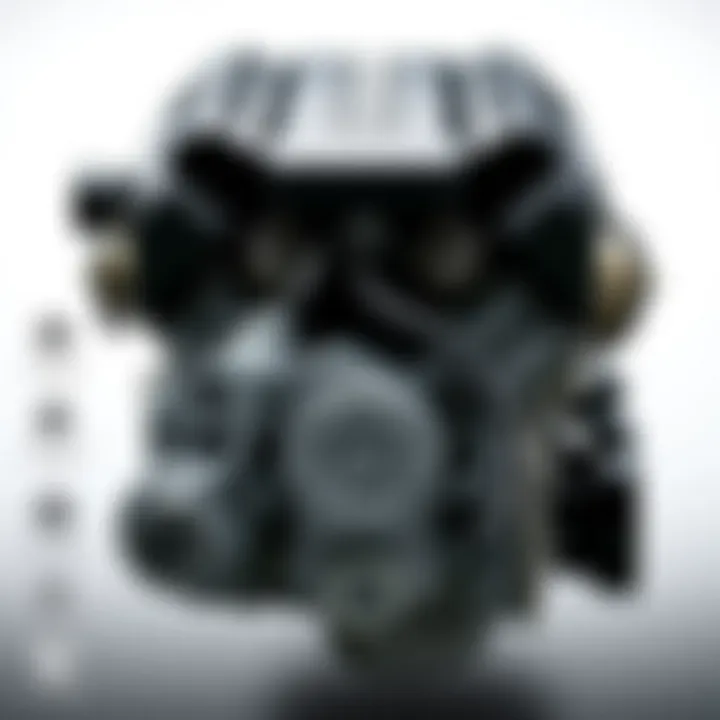
Maintaining and caring for the 2015 5.0 Coyote engine is not just a chore; it’s a necessity for those who appreciate the intricate dance of engineering that goes on under the hood. Proper maintenance plays a pivotal role in ensuring the longevity and performance of this robust powerplant. For both enthusiasts and potential buyers, understanding these practices provides a clearer picture of what it takes to keep the engine running smoothly.
Routine Servicing Guidelines
Routine servicing is where the rubber truly meets the road when it comes to engine care. This practice helps catch small issues before they snowball into significant problems. Here are the key components of a regular maintenance schedule for the Coyote engine:
- Oil Changes: Changing the oil every 5,000 to 7,500 miles is crucial to keep the engine lubricated and running efficiently. Use synthetic oil, as it better withstands high temperatures and offers better protection for the engine parts.
- Air Filter Replacement: A clean air filter ensures optimal airflow into the engine. It’s recommended to replace the air filter every 15,000 to 30,000 miles, depending on driving conditions. Off-road driving may necessitate a more frequent change.
- Fluid Checks: Regularly inspect coolant, transmission fluid, and brake fluid levels. Keeping these fluids topped up can prevent overheating and ensure smooth operation.
- Spark Plug Inspections: The Coyote engine utilizes advanced spark plug technology that can last up to 100,000 miles; however, they should still be checked at regular intervals to prevent misfires.
- Brake and Tire Checks: The braking system and tires should not be overlooked. Worn-out brakes or bald tires can lead to dangerous driving conditions.
Regular maintenance helps maintain peak performance, ensuring that this powerful engine delivers its best with every push of the pedal.
Performance Parts and Modifications
When it comes to performance, the 2015 5.0 Coyote engine has some serious potential. Many enthusiasts venture into the realm of modifications to squeeze out extra power and enhance driving dynamics. Here are some popular routes for performance upgrades:
- Cold Air Intakes: Upgrading to a high-performance cold air intake can improve airflow and increase horsepower. Brands like K&N and Airaid offer systems designed to maximize cold air intake into the engine.
- Exhaust Systems: Replacing the stock exhaust with a performance cat-back system not only adds horsepower but also changes the sound profile, providing a more aggressive growl that resonates with driving enthusiasts.
- Tuning: After installing new parts, a proper tune is essential. An aftermarket tune can recalibrate the engine’s computer to optimize performance, boost power, and improve throttle response.
- Superchargers: For those seeking to take performance to the next level, bolt-on superchargers can dramatically increase horsepower. Companies like Whipple and Edelbrock have kits that can seamlessly integrate with the Coyote engine.
- Suspension Upgrades: While not directly related to engine performance, upgrading the suspension can enhance handling, making the driving experience much more enjoyable.
Aftermarket modifications can offer significant performance gains; however, it is crucial to consider warranty implications and legal compliance with local emissions standards.
Future Prospects of the Coyote Engine
The future of the Coyote engine is a topic of significant interest, not just for Ford enthusiasts, but also for those tracking broader trends in automotive engineering. Understanding the potential trajectories for this powerhouse reveals much about the direction of the automotive industry as a whole, especially in light of evolving consumer preferences and regulatory pressures.
One key element to consider is how the Coyote engine may integrate newer technologies without compromising its performance heritage. Consumers are placing increasing importance on fuel efficiency and emissions reduction—traits traditionally associated with smaller engines or hybrid technology. Thus, it's vital for the Coyote engine to adapt without losing its renowned power and performance.
Trends in Engine Technologies
The automotive landscape is rapidly transforming, and with it, the technologies that underpin modern engines. Here are some notable trends influencing the development of engines like the Coyote:
- Hybridization: Enhanced fuel efficiency and reduced emissions are prompting manufacturers to explore hybrid variants. Whether or not a hybrid Coyote will materialize remains unclear, but its potential cannot be overlooked.
- Electrification: The electric vehicle wave is altering perceptions of engine design. While the Coyote is firmly rooted in tradition, the integration of electric assist may bolster performance while catering to an environmentally sensitive marketplace.
- Turbocharging: This trend has gained traction among manufacturers for improving efficiency without sacrificing power. Incorporating turbo technology could enrich the Coyote lineup, aligning it with modern expectations.
- Smart Technology Integration: Features such as real-time diagnostics and performance tuning through mobile apps can enrich user experience. Intelligent use of technology might not just enhance user interaction, but also streamline maintenance routines.
As automotive trends evolve, staying ahead is crucial for any engine's legacy.
Potential Evolution
In terms of evolution, there are several pathways the Coyote engine might take in the coming years:
- Displacement Adjustment: As competitive pressure mounts, the possibility of smaller displacement versions with power outputs similar to current offerings could redefine performance metrics while appeasing fuel economy standards.
- Advanced Materials: Innovations in lighter and stronger materials can lead to significant power-to-weight benefits. If Ford opts to explore such advancements, it might enhance performance while improving efficiency.
- Enhanced Emissions Control: A focus on cleaner emissions could lead to the development of newer catalytic converters or exhaust gas recirculation systems, keeping the Coyote competitive in a stricter regulatory environment.
- Expanded Use Cases: As Ford looks to diversify its vehicle portfolio, moving the Coyote engine into non-traditional markets like electric trucks or performance SUVs could be pivotal.
- Consumer Feedback Integration: Direct feedback mechanisms could play a more prominent role in shaping future iterations of the engine, enhancing overall reliability based on real-world owner data.
The future is inherently unpredictable, yet by closely observing industry trends and consumer behavior, the Coyote engine has the potential to not just survive, but to thrive in a changing automotive landscape.
Environmental Considerations
Understanding the environmental implications of automotive engines has grown increasingly vital within both the automotive industry and society at large. The 2015 5.0 Coyote engine, emblematic of Ford's engineering prowess, also serves as a reflection of the industry's ongoing commitment to reducing its ecological footprint. Exploring emissions standards compliance and sustainability efforts reveals how an engine’s design and operation can align with global environmental goals.
Emissions Standards Compliance
Emissions standards have been established by various governments worldwide to regulate the amount of pollutants released by vehicles. For the 2015 5.0 Coyote engine, compliance with the Environmental Protection Agency (EPA) and California Air Resources Board (CARB) standards is not just an obligation but a crucial aspect to consider.
Here are key elements regarding this compliance:
- Reduced Emissions: The Coyote engine employs a range of technologies designed to lower harmful emissions. For instance, its direct fuel injection helps improve combustion efficiency, which directly translates to lower hydrocarbon and carbon monoxide emissions.
- Testing Protocols: Ford ensures that the 5.0 engine goes through rigorous testing to meet the changing emissions regulations. This includes real-world conditions to confirm performance under various scenarios, not just in laboratory settings.
- Adaptive Strategies: The regulations are not static. Thus, Ford has implemented adaptive strategies where software updates and design tweaks can help the engine maintain compliance as standards evolve.
"Adhering to emissions standards not only benefits the environment but also promotes innovation in engine technology and efficiency."
Sustainability Efforts by Manufacturers
Sustainability is a buzzword that’s driving change across the automotive sector. Manufacturers, including Ford, are increasingly shifting their focus towards sustainable practices. The 2015 5.0 Coyote engine is a case study in how innovation and environmental consciousness can come hand in hand.
Some notable efforts include:
- Energy Efficient Processes: The production of the Coyote engine increasingly utilizes renewable energy sources. Factories may source their electricity from wind or solar farms, thus reducing the carbon footprint during manufacturing.
- Recyclable Components: Ford has ramped up efforts to utilize materials in engine construction that are either recyclable or have a lower environmental impact. This practice reduces waste and supports circular economy principles.
- Supply Chain Improvements: The company is committed to ensuring that its supply chain is also focused on sustainability. This involves working with suppliers who share a commitment to environmental stewardship, creating a ripple effect throughout the industry.
In sum, the environmental considerations surrounding the 2015 5.0 Coyote engine illustrate a broader movement toward balancing performance with responsibility. By adhering to strict emissions regulations and committing to sustainable practices, Ford showcases how modern engines can operate without sacrificing our planet’s future. For further details on emissions standards, you can refer to EPA guidelines.
Closure
The examination of the 2015 5.0 Coyote engine culminates in an understanding that goes well beyond mere numbers and specifications. It pulls together various threads of automotive design and performance and reveals how the Coyote engine stands out in today's highly competitive landscape.
Summary of Key Findings
Here's what we've synthesized from our detailed review:
- Performance and Power Delivery: The 2015 Coyote showcases a potent balance of power and refinement. With an output reaching 420 horsepower, it's not just for show. Owners often report a visceral connection as the engine eagerly responds to throttle inputs.
- Technological Integration: Direct fuel injection and variable valve timing contribute not just to performance gains but also improve efficiency. This engine takes advantage of advanced technology to provide both excitement and practicality.
- Versatile Applications: From the rugged F-150 to the iconic Mustang, the adaptability of the Coyote engine displays its broader influence across Ford’s lineup. This versatility also sets the stage for potential uses in other platforms.
- Maintenance and Longevity: The solid build quality coupled with user-centric maintenance guidelines means owners can enjoy their engines for years with minimal issues, reinforcing trust in Ford’s engineering.
- Environmental Awareness: In an age increasingly focused on sustainability, the Coyote engine meets stringent emissions standards while still delivering thrilling performance. This dual consideration represents a noteworthy shift in modern automotive culture.
Considering all of these aspects, the 2015 5.0 Coyote engine doesn't just impress on paper; it cultivates a compelling narrative of innovation, satisfaction, and environmental responsibility. As enthusiasts and potential buyers, understanding these elements allows for informed decisions, making the exploration of this remarkable engine both enriching and enjoyable.
Cited Works and Additional Reading
When delving into the intricacies of the Coyote engine, one must tap into a spectrum of sources to piece together a comprehensive narrative. Here are some recommended references that can deepen one’s understanding:
- Technical Manuals and Factory Guides: Utilize resources such as the Ford Engine Performance Manual or service manuals available from Ford's official site. These documents often include technical specifications, troubleshooting tips, and maintenance procedures directly from the manufacturer.
- Engineering Journals: Peer-reviewed articles focusing on automotive engineering often highlight the cutting-edge technologies embedded in engines like the Coyote. Websites such as JSTOR and SAE International provide access to research papers that analyze trends and performance indicators of modern V8 engines.
- Automotive Enthusiast Forums: Platforms like Reddit can be gold mines for real-world experiences. Threads discussing the 2015 5.0 Coyote engine host countless user stories, insights, and modifications that illuminate the everyday realities of ownership and operation.
- Books on Ford Performance: Titles such as "Ford Performance Vehicles" offer an in-depth exploration of various Ford engines, including the Coyote, discussing innovations, performance metrics, and competitive positioning.
- Online Videos and Tutorials: Websites like YouTube often feature demonstrative content from auto experts or enthusiasts showcasing the Coyote engine's capabilities, providing real-time evaluation of its performance, acceleration, and modifications.